Uncovering the Hidden Gems of PC Engine Games: A Look Back at a Cult Classic Console
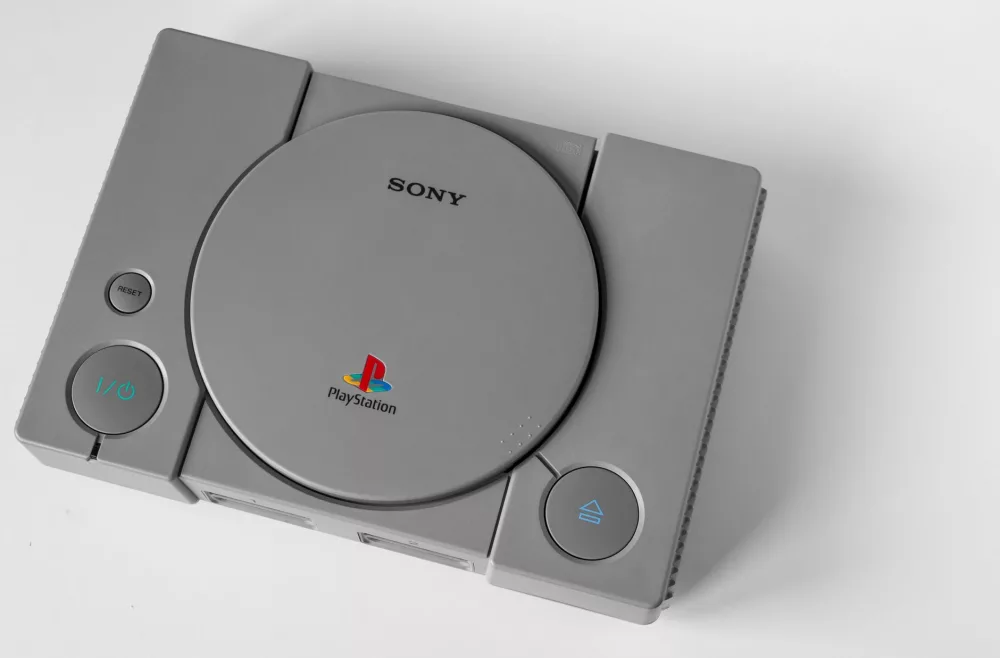
When we talk about classic gaming consoles, systems like the Nintendo Entertainment System, the Super Nintendo, and the Sega Genesis often grab all the spotlight. And hey, I totally get why; they were phenomenal! But for me, there's another machine that holds a very special place in my heart, one that often gets overlooked in mainstream retrospectives: the NEC PC Engine, known stateside as the TurboGrafx-16. What a fascinating piece of hardware this was, right? It's a console that, despite its marketing struggles and a somewhat confusing identity, gave us some truly incredible experiences. I'm talking about a system that was technologically ambitious and, in my opinion, home to an astonishing library of games that still hold up remarkably well today.
The PC Engine's Intriguing Origins and Technical Prowess
Let's rewind a bit to 1987 in Japan. NEC, a giant in electronics, partnered with Hudson Soft to release the PC Engine. This thing was tiny, surprisingly compact for a home console of its era, and boy, did it pack a punch! It boasted a 16-bit graphics chip, but its CPU was an 8-bit HuC6280. This technical duality often led to it being perceived as an 8-bit machine competing against Nintendo's powerhouse, when in reality, its graphics capabilities were often closer to, or even surpassed, early 16-bit systems. I remember being so confused about that as a kid; was it 8-bit or 16-bit? It kinda blurred the lines, didn't it?
When it launched in North America in 1989 as the TurboGrafx-16, it was up against the behemoth NES and soon, the Sega Genesis. The marketing was a bit... well, let's just say it could've been better. They called it a "16-bit" system, which technically it wasn't purely, and then they had this bizarre ad campaign with a guy in a trench coat whispering about the "TurboChip." Still, underneath the awkward branding was a console with some serious potential.
Revolutionizing Gaming with CD-ROM Technology
Here's where the PC Engine really started to get interesting and, honestly, where it became genuinely groundbreaking: the CD-ROM². This wasn't just an add-on; it was a game-changer. Introduced in Japan in 1988, then later in the US as the TurboGrafx-CD, this peripheral allowed for games to be stored on CD-ROMs. What did that mean for us gamers? Oh, just a few things!
- Massive Storage: CDs could hold significantly more data than cartridges, allowing for larger, more complex games.
- Redbook Audio: This was HUGE. We're talking about CD-quality music soundtracks that blew cartridge-based audio out of the water. Imagine playing an RPG with a full orchestral score!
- Full Motion Video (FMV): While often a bit grainy and rudimentary by today's standards, FMV sequences were mind-blowing back then, offering cinematic cutscenes never before seen on a home console.
Suddenly, the PC Engine wasn't just a console; it was an entertainment hub. It felt like a glimpse into the future of gaming, and I was absolutely captivated by it. It was expensive, no doubt, but the possibilities it opened up were just incredible.
A Treasure Trove of PC Engine Games: My Favorites and Must-Plays
Okay, enough about the tech specs; let's talk about the games! Because that's what truly matters, right? The PC Engine's library is incredibly diverse, but it absolutely excelled in a few specific genres. If you're a fan of classic gaming, you simply have to check out some of these.
Shoot 'em Ups (Shmups): The PC Engine's Crown Jewels
If there's one genre the PC Engine is synonymous with, it's shmups. The console was an absolute powerhouse for scrolling shooters, attracting some of the best developers in the business. I mean, where do I even begin?
- R-Type: This arcade perfect port of Irem's classic horizontal shooter was an early showcase for the system's capabilities. It's tough, iconic, and still a blast to play.
- Gradius: Another fantastic arcade port, offering that classic Konami shmup action.
- Blazing Lazers: An original title by Hudson Soft, this vertical shooter is incredibly fast-paced, visually stunning, and has a fantastic weapon upgrade system. It's one of my personal go-to's.
- Darius Plus: How they managed to get a multi-screen arcade game onto a home console was beyond me at the time, but they did it, and it's awesome.
The sheer number and quality of shooters on this console are staggering. Seriously, if you love shmups, you owe it to yourself to explore this library. It's a goldmine!
RPGs and Adventure: Immersive Worlds Await
With the advent of the CD-ROM², RPGs truly came into their own on the PC Engine. The ability to have extensive dialogue, full voice acting, and those amazing Redbook audio soundtracks elevated these games to new heights.
- Ys Book I & II: This was a launch title for the CD-ROM² in Japan, and it remains one of the most important RPGs on the system. The animated cutscenes and the incredible CD audio soundtrack for its action-RPG gameplay were revolutionary. I still get chills listening to some of those tracks!
- Tengai Makyou II: Manjimaru (Far East of Eden II): This game is often cited as one of the greatest Japanese RPGs of all time. It's a massive, epic adventure with full voice acting and gorgeous visuals. Sadly, it never officially left Japan, but it's absolutely worth tracking down a fan translation.
- Cosmic Fantasy 2: A more traditional turn-based RPG for the TurboGrafx-CD, known for its anime cutscenes and quirky humor.
These games demonstrated the potential for deep, narrative-driven experiences that simply weren't possible on cartridge-based systems at the time.
Platformers and Action: More Than Just Bonk
While the PC Engine didn't have a Mario or a Sonic, it certainly had its own mascot and a range of engaging action titles.
- Bonk's Adventure (PC Genjin): The adorable caveman with a super strong head became the console's unofficial mascot. This platformer is charming, creative, and just plain fun. The sequels, Bonk's Revenge and Bonk 3: Bonk's Big Adventure, are equally excellent.
- Splatterhouse: This arcade horror classic got a shockingly good port to the PC Engine. It's gruesome, challenging, and perfectly captures the arcade feel.
- Military Madness (Nectaris): A brilliant turn-based strategy game that's deceptively simple yet incredibly deep. It's a tactical gem that I still find myself coming back to.
And let's not forget the incredible port of Street Fighter II: Champion Edition on the Super CD-ROM². While it had some compromises compared to the arcade, it was an astonishing achievement for a home console at the time, especially considering the competition hadn't quite caught up yet.
Then there's Castlevania: Rondo of Blood (Akumajō Dracula X: Chi no Rondo) on the Super CD-ROM². This game is, for many, the pinnacle of classic 2D Castlevania. Its stunning visuals, CD-quality soundtrack ("Vampire Killer" never sounded so good!), and impeccable level design make it an absolute masterpiece. It's the one game that often gets cited as a reason to own a PC Engine CD setup, and I completely agree.
The PC Engine's Enduring Legacy
Despite its struggles in the Western market – partly due to Nintendo's dominance, Sega's aggressive marketing, and NEC's own distribution issues – the PC Engine carved out a significant niche, especially in Japan. Its innovations, particularly with CD-ROM technology, influenced future console designs. Nintendo eventually released the Satellaview for the SNES, and Sega had the Mega CD/Sega CD, but the PC Engine was arguably the first to really make a strong case for optical media in home gaming.
Today, the PC Engine and TurboGrafx-16 live on through emulation, re-releases like the TurboGrafx-16 Mini, and a passionate community of collectors and fans. I think it's a console that truly rewards those who dig a little deeper, offering experiences that were ahead of their time and still provide immense joy. If you've never had the chance to experience the magic of a PC Engine game, I wholeheartedly recommend giving it a shot. You might just discover your next favorite classic, just like I did all those years ago.
About Editorial Team
Senior columnist and culture critic specializing in architectural designs, emerging high-growth systems, and contemporary philosophies.
Contact Desk
Have an editorial inquiry or custom partnership idea? Reach our team directly.
Related Dispatches